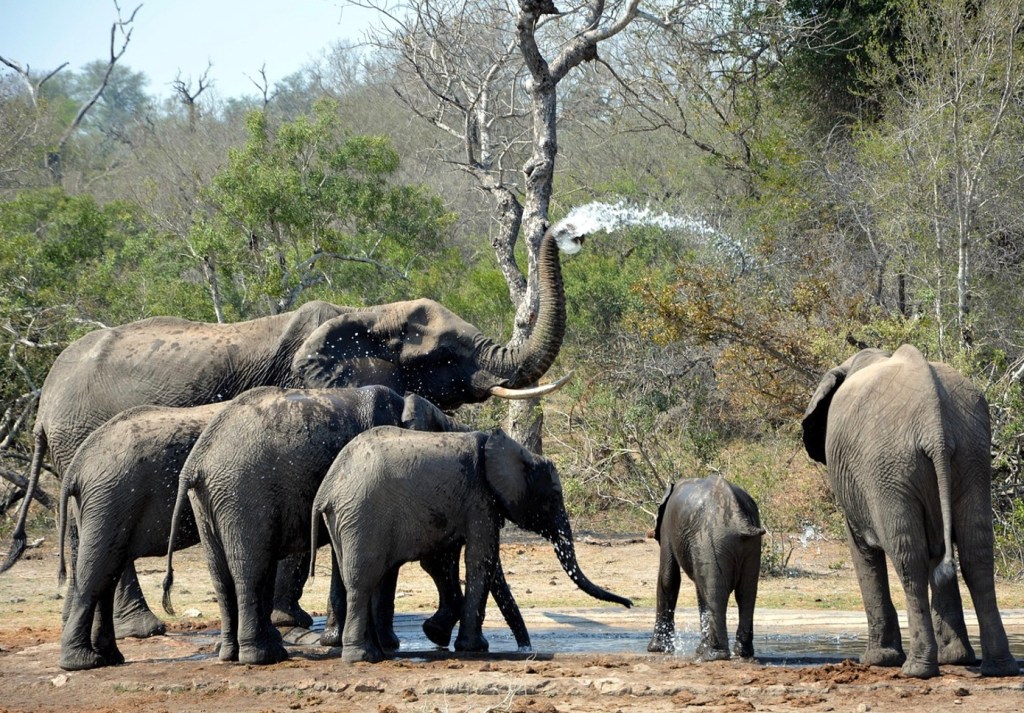
Nature’s creatures are not doing well. A convergence of factors including population growth, climate change and a globalized economy have caused a precipitous decline in wildlife populations, especially in the tropics. Projections for the future are not reassuring. While many factors contribute to the loss of wildlife, the key underlying factor is the inexorable growth of the human population.
Some years ago, my family did a safari in Tanzania. It was an incredible experience! All those wildlife videos I had seen on TV were suddenly manifested in the flesh. Herds of zebra and gnus, lions dozing in the shade, rhinos and elephants ponderously moving across the savannah, all right before our eyes. It saddens me to think that my grandchildren will not be able to have a similar experience since all of Africa’s megafauna will likely soon be gone.
The 2024 Living Planet report from the World Wildlife Fund and the London Zoo does an excellent job of describing the scope of the problem . Their Living Planet index shows a 73% decline in global wildlife between 1970 and 2020 while a related measurement of biodiversity shows a similar trend.
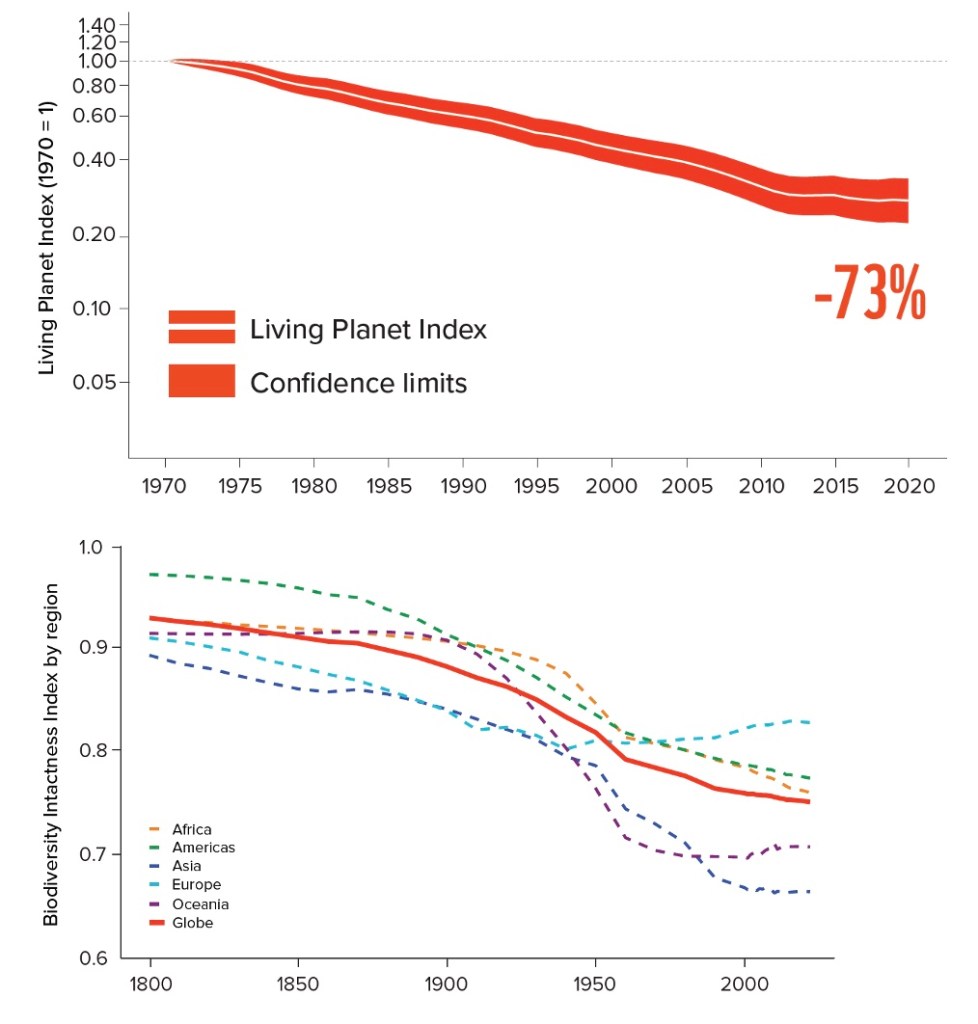
(from this source : note log scale on first graph)
The imperiled state of global wildlife is not a new issue and enormous efforts have been mobilized to combat this problem. There are global, national and local NGOs including the WWF itself, as well as many, many others. There are national efforts such as terrestrial conservation areas, marine reserves and indigenous people’s reserves. And then there are the many heroic individuals who have devoted their lives to conservation, ranging from global superstars like Jane Goodall to ill-paid, unheralded rangers in wildlife reserves in poor countries. Despite all of these efforts, wildlife populations continue their inexorable decline.
Multiple interlinked factors are involved in the ongoing decimation of wildlife populations and the parallel loss of biodiversity, but a key underlying thread, with both direct and indirect impacts, is the global population expansion that has taken place over the past few decades. The most direct impact of population growth on wildlife has been the extension of human activities into previously natural areas resulting in habitat destruction, human-animal conflicts and increased hunting for food or for profit. Anthropogenic climate change has also had an immense impact on wildlife with droughts, floods and novel temperature patterns altering entire landscapes, impacting their suitability for many species. Climate change is mainly due to the intensity of fossil fuel use, especially in richer countries, but it has also been affected by the energy needs of growing populations especially in South Asia and Africa. A third detrimental factor for wildlife has been the rapid evolution of the globalized economy. Instantaneous communication and efficient transport have allowed cultural and economic trends in rich countries to quickly impact the economy and ecology of poorer nations.
REGIONAL TRENDS
There is not a simple single story-line in the tragedy of wildlife destruction that is currently being written. Physical, cultural, economic and political factors vary greatly across continents and between nations. Thus, it is important to examine specific cases to see how these factors play out.
Sub Saharan Africa
The Congo Basin
Perhaps the surest means to deplete wildlife populations is to destroy their habitat. This process is rapidly taking place in the Congo basin , the second largest rain forest on the planet. This region includes about 1.3 million sq. miles, comprising about 70% of the forested land of the African continent. It is also home to about 150 million people, whose numbers are rapidly increasing. Annual population growth rates for countries in the Congo basin are in the 2-3% range ; this rapid growth coupled with extensive poverty is putting enormous pressure on local resources. A study in Science Advances found that the bulk (84%) of deforestation in the region was due to small-scale agriculture, with mining, lumbering, fire losses and commercial agriculture having lesser effects. As we will see later, this is quite different from the situations in South America or Southeast Asia where commercial activities strongly contribute to deforestation. The relatively undeveloped nature of the local economies, coupled with political instability, has spared the Congo basin from commercial depredation. However, widespread poverty accompanied by rapid population growth has pushed local smallholder farmers deeper and deeper into areas that previously were wilderness.
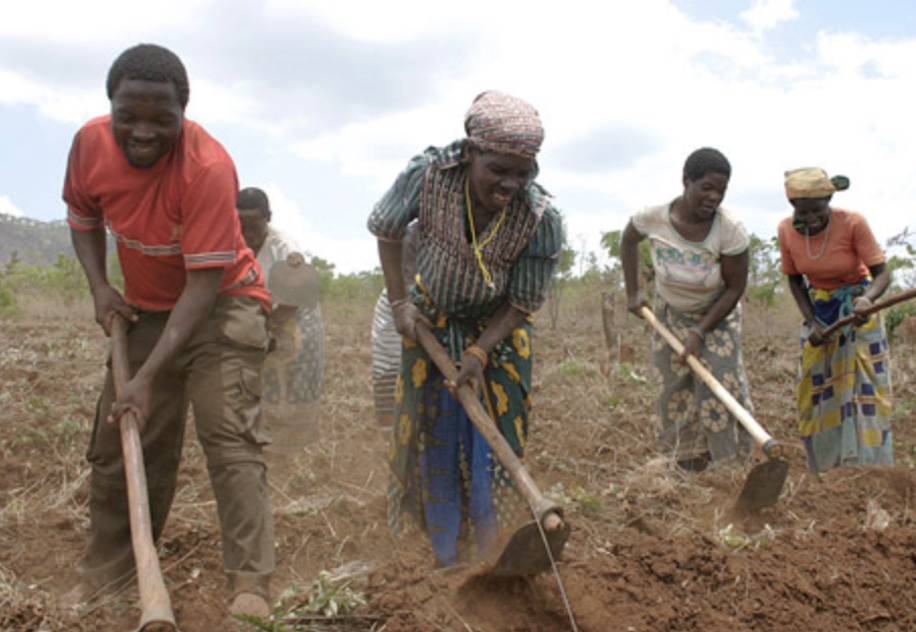
Image from this source.
As rainforest is converted to croplands and pasture there is less and less room for wildlife. There are also more frequent opportunities for human-wildlife interactions, usually to the detriment of the animals involved. Many Congo rainforest animals are unique to the region including forest elephants, eastern gorillas, bonobos and okapis. Loss of habitat combined with increased hunting for ‘bush meat’ as well as retaliatory killings are taking a toll on these fascinating creatures with large population declines observed in recent years. Additionally the political instability that deters commercial development has a more harmful side, as wildlife is caught in the crosshairs of military conflicts .
Although increasing commercial activity will no doubt affect wildlife in the Congo Basin, the main threat continues to be the rapid expansion of small holder agriculture. The population of the region is expected to double by 2050 leading the authors of the Science Advances paper to suggest that all of the primary forest of some of the major countries of the Congo region will be cleared by 2100. Thus, in this part of the world, deforestation and consequent wildlife depletion are almost entirely the result of continued population growth.
East Africa
The large, powerful animals of the East African savannah require vast territories for their grazing or hunting activities. This inevitably brings them into conflict with humans seeking to expand their herds or farms. Professor Gayo of the University of Dodoma, Tanzania has provided a comprehensive review of human- wildlife conflicts across Africa, including information about East Africa. He stresses the critical role of expanding rural populations in creating competition for resources between humans and animals, as well as among humans themselves. To quote: “Human activities are increasingly encroaching on traditional wildlife habitats, intensifying competition for land and resources among farmers, pastoralists, conservation authorities, and wildlife”. In particular, the expansion of livestock populations has had major negative impacts on wildlife, with some selected examples shown below
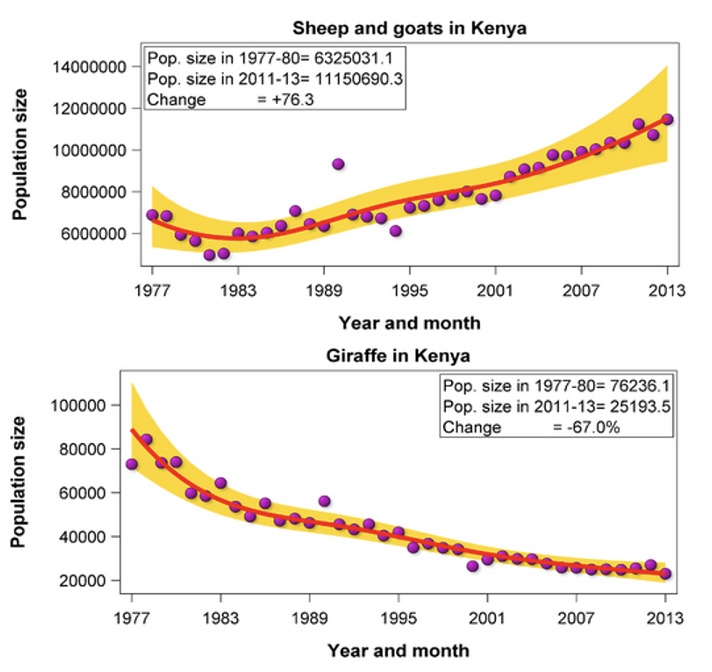
Patterns of human- wildlife interact ion in East Africa are complex, with population growth, climate change and increased commercial activity all playing a role. Human populations continue to expand rapidly in East Africa with annual growth rates up to 2.9% . To place that in perspective, Tanzania with a current population of about 72 million is projected to reach 140 million by 2050. An expanding rural population inevitably means that small farmers and herders will push into undeveloped areas. Increased proximity means that large herbivores like elephants, hippos, giraffes and buffalo invade fields and damage crops, often triggering retaliation. Additionally, recent drought conditions have strongly affected both humans and animals. As waterholes dry up wildlife looks for new water sources, leading to conflicts. For example, in northern Kenya farmers have built barriers to prevent giraffes from accessing village wells. If the giraffes breach the barriers, they are attacked and sometimes killed. Expansion of commercial agriculture is also playing an increasing role in human wildlife conflicts. Thus, commercial farmers in Kenya have fenced off land on elephant migration routes creating conflicts that often lead to the killing of elephants. Although several East African countries have extensive national parks and other protected areas, limited resources for enforcement has meant that the boundaries of these areas are often breached with expanding human populations encroaching on wildlife reserves. Current trends in E. Africa are quite alarming, with some predictions suggesting complete collapse of major herbivore populations such as wildebeests as soon as 2050.
The negative impacts of human-wildlife interactions are not all one way, as epitomized in the abbreviated title of an article “Why are lions killing us? “. Lions, hippos, and elephants have long been real dangers to rural people, but their impacts are now even felt in cities, as documented by an Associated Press correspondent in Nairobi who vividly described his family’s close encounters with lions in an urban setting. These increased patterns of dangerous human-wildlife interactions are ultimately based on the fact that expanding human populations increasingly infringe on previously wild landscapes.
Although loss of wildlife is often the result of a combination of many different factors including climate change, logging, fires, mining and others, in both the Congo Basin and in East Africa one factor is paramount. Namely the extremely rapid rate of population growth that has taken place over many decades and that continues today. Rapid expansion of rural populations inevitably means conversion of previously natural areas to cropland and pasture. It also means increased human-wildlife interactions almost always to the detriment of the animals as they are killed to protect crops or water sources or hunted for food or for profit in commercial poaching operations.
Southeast Asia (Indonesia)
The impact of humans on natural areas and wildlife in Southeast Asia is a complex story with several intersecting themes. Historically SE Asia was home to extensive tropical forests in both lowland and mountain regions, but recent years have seen massive deforestation. Focusing on Indonesia, for example, that country has lost 45% of its intact forest area since 1990 through both mechanical clearing and fire. This destruction of habitat has been parallelled by devastating effects on wildlife, with Indonesia ranking number one globally for the highest number of threatened mammal species and number two for threatened bird species with keynote species such as the Javan rhino, Sumatran rhino, and Sumatran orangutan being critically endangered.
One of the main drivers of deforestation in SE Asia over the last few decades has been the spread of palm oil plantations. This is directly linked to the globalized economy as changing diets in wealthy and middle-income countries drive demand for palm oil sourced in the tropics. While palm oil has been an important commodity for centuries, the recent huge increase in demand was initially spurred by the USA Food and Drug Administration warnings about trans-fats in foodstuffs, as well as by declining use of animal fats for cooking in developed countries. However, its use has spread worldwide, with China and India now being the largest palm oil consumers. Palm oil is a very flexible entity and can be incorporated not only into foodstuffs but also cosmetics, biofuels and many other products. It is also by far the most efficient source of plant-based oil with yields several times higher than alternatives like sunflower, rapeseed or peanut oils. These aspects make replacement a difficult problem.
Balanced against palm oil’s commercial utility are its devastating environmental effects. Palm oil plantations account for about one third of Indonesia’s loss of old growth forest. Although the rate of deforestation is down from its peak of a decade ago thanks to increasing government regulation, it remains problematic. One very troubling aspect is the clearing of tropical peatlands, especially in Kalimantan (Borneo), that can result in massive releases of smoke and of CO2. For example, in 2019 Indonesian fires released over 700 million tons of CO2- more than twice that released from fires in the Amazon. Thus, the palm oil boom of the last few decades has resulted in interlinked environmental catastrophes including extensive deforestation, destruction of wildlife and massive releases of CO2.
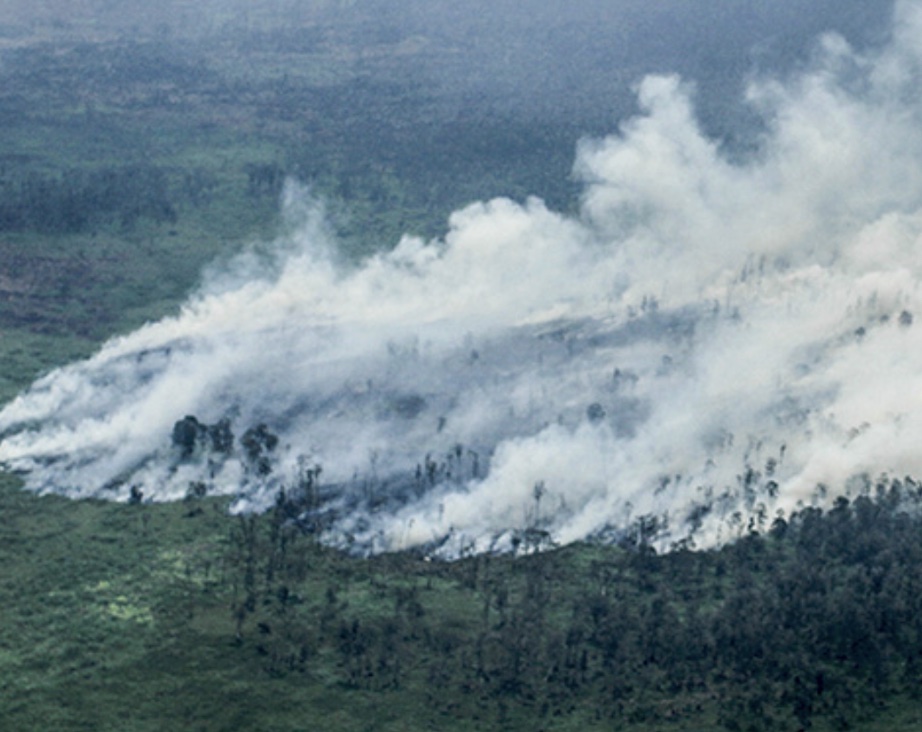
Peatlands fire. Image from this source.
A key aspect of wildlife loss in Indonesia has been the destruction of natural habitats due to population growth and to in-country population migration. From the 1950s to approximately 1990 Indonesia experienced high fertility and rapid population growth, although that has slowed substantially in recent years. Java, the most populous island in Indonesia, reached extraordinarily high densities, currently over 1100 people /km2, or to state it differently, this rather small island has more people than all of Russia!
The numerous problematic effects of such a high population density led to the creation of the government’s ‘transmigration’ program. This venerable project has been in existence since Dutch colonial days with the intent of moving people from very dense areas of Java and Bali to less populous regions of the country. That stated purpose of the program has been successful since it is estimated that about 20 million migrants and their descendants now live on the outer islands notably Sumatra and Kalimantan. However, there have also been many problems with this program including conflicts with indigenous peoples, settling migrants in areas unsuitable for farming and vast environmental damage.
Sumatra, one of the major targets of the transmigration program, lost 48% of its natural forest between 1985 and 2007, the highest rate of loss anywhere in the world during that period. While it is hard to parse out all of the contributing factors including fires, lumbering and expansion of palm oil plantations, clearly the presence of millions of additional small holder farmers due to transmigration had a major direct effect on deforestation and loss of wildlife habitat. Additionally there is an important link between the expansion of large scale commercial palm oil plantations and the transmigration program since the Indonesian government often placed transmigrants in the vicinity of plantations thus providing a ready source of cheap labor.
A related issue is the Indonesian government’s long held goal of moving its capital from the massively overpopulated and now rapidly sinking Jakarta metropolis to a new site. This has now been realized with the creation of Nusantara, a new capital city being raised up in the jungles of Kalimantan. Although billed as a ‘green city’, this project is having major destructive effects on the environment.

Nusantara plan. Image from this source.
In addition to the direct loss of forest land at the building site, the project is using vast amounts of stone mined on the neighboring island of Sulawesi, with the mining operations causing flooding and air pollution.
There are a variety of forces driving the rapid deforestation and loss of wildlife habitat in Indonesia. Global demand has driven the explosion of palm oil plantations, but large-scale commercial mining and logging have also resulted in major losses of forest. Beyond that, however, population pressures have played the dominant role in environmental damage. Both rapid population growth since WWII, as well as the government’s strategy of moving people from Java to the less developed outer islands, have brought millions of relatively poor people into previously undeveloped forests with the predictable result of massive destruction through slash and burn agriculture. Even the highly globalized business of large-scale palm oil production ultimately depends on labor from the transmigration program and thus on the pressure of a growing population.
The Amazon
The Amazon region comprises by far the largest tropical rainforest area, extending over about 6 million km2 and accounting for more than 50% of all tropical forests . Much has been written about threats to this key ecosystem, threats that have waxed and waned over the years largely in synchrony with political trends, particularly in Brazil. Widespread deforestation due to commercial cattle and soybean production, small scale agriculture, as well as logging have resulted in loss of about 25% of the rainforest, while extensive mining (usually illegal) has poisoned many streams and rivers. There is concern that the Amazon rainforest may be reaching a tipping point leading to irreversible decline, as a combination of climate change and extensive deforestation disrupts the endogenous water cycle that maintains needed rainfall and river flows. Threatened species in the Amazon are perhaps less well publicized than those of the African savannah or Borneo jungle, but are nonetheless equally important. Prominent endangered examples include jaguars, giant otters, tapirs and river dolphins.
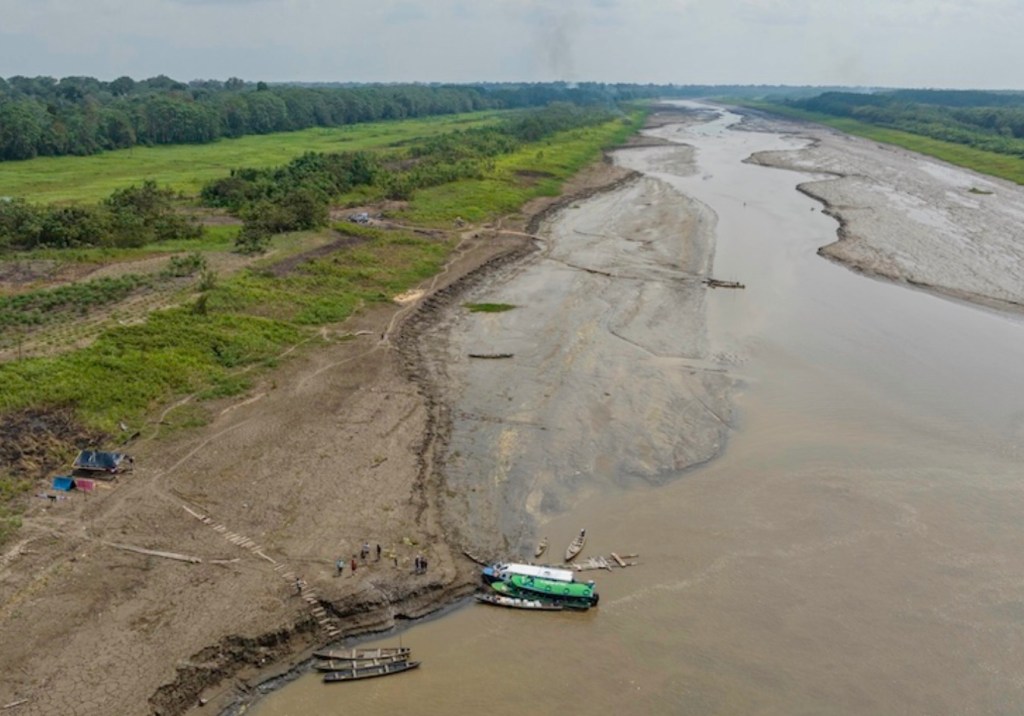
Amazon riverbed in drought. Image from this source.
Expansion of large-scale cattle and soybean farming has been blamed for much of the deforestation that has taken place. However, smallholder agriculture has also has had an enormous impact on forest loss and fragmentation. Small farmers are often the ‘pioneers’ who clear forests using slash and burn tactics and then, as crop yields decline, sell land to large scale cattle ranches. Population pressure has clearly been a major factor in the expansion of smallholder agriculture into the Amazon region. Although Brazil’s population growth has slowed markedly in recent years, over the period 1950–2000 the country experienced high fertility rates and growth. This disproportionately involved people with low incomes and people originating from poorer regions such as Northeastern Brazil.
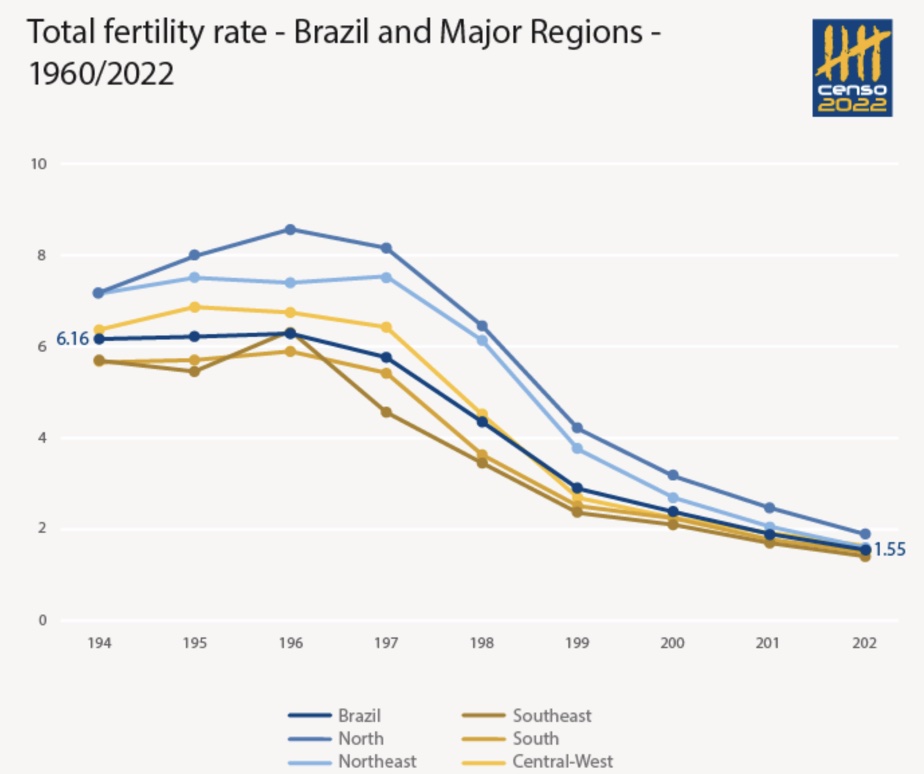
Brazil fertility data. Image from this source.
Poor people with large families sought relief from poverty and new opportunities via migration to the Amazon. Unfortunately this process was often chaotic with multi-sided conflicts including between newly arrived small farmers and long-time inhabitants who made a living from forest products such as rubber and Brazil nuts. There was also both conflict and cooperation between small farmers and owners of large ranches or farms, with the small farmers sometimes opening up new areas of jungle for large scale development, but also often being the victims of land grabs or other exploitation. The chaotic nature of this process has made it difficult to control the ever-expanding process of deforestation and loss of wildlife habitat.
Thus, as in SE Asia and Africa, multiple factors have contributed to habitat loss and wildlife depletion in the Amazon basin. However, the key factor underlying all others is rapid population growth that drives poor people to seek to improve their lot by migrating to undeveloped natural areas where land can be had and where governmental and social controls are limited.
CONLUSIONS
The outlook for tropical wildlife seems rather bleak. While many factors are involved in the destruction of habitat and loss of wildlife, the key factor is penetration of humans into previously natural areas, a process that is mainly driven by population growth. When the media covers habitat loss in the tropics the emphasis is usually on the impact of large commercial operations such as mines, cattle ranches or logging. However, tremendous damage is also done by small holder agriculturalists penetrating into undeveloped areas as they seek relief from poverty and lack of opportunity in more crowded regions.
It would be nice to think that this destructive process will wind down soon since many countries are now experiencing sharp declines in fertility. However, the ‘momentum’ aspect of demography implies continued population growth for many years to come, particularly in Africa where fertility rates are declining only slowly. Thus, countries in the Congo basin will not reach peak populations until late in the 21st century, as is also true for E. African nations including Kenya and Tanzania. While Indonesia’s growth rate is slowing, peak population is not expected until about 2060. Brazil represents a somewhat brighter picture since peak population will arrive about 2040. Thus, continued population-driven migration of small holder farmers and herders into natural areas will likely result in the extirpation of most wildlife in the Congo basin and E. Africa, with possibly lesser effects in Indonesia and the Amazon basin. A gloomy prospect indeed.
 EQUIPOISE
Leave a comment